
Vitamin B12 is found almost exclusively in animal products. That is because B12 is made by bacteria, not by plants or animals themselves — and those bacteria live in the guts of animals and in the soil. Meat, fish, shellfish, egg and dairy take up that B12; vegetables, fruit, grains and nuts contain no usable form. It is therefore the only vitamin where a fully plant-based diet falls short without supplementation.
Below you will see which foods provide the most vitamin B12, with the amounts per portion. After that: how much you need per day, what vegetarians and vegans should do, an example of a day of eating that covers your needs, and when a supplement is actually unnecessary. Because you rarely hear that from someone selling supplements.
Why vitamin B12 is only in animal products
B12 (official name: cobalamin) is produced by micro-organisms. Animals take in those bacteria through their feed and the soil, and store the B12 in muscle tissue, liver and milk. Plants have no mechanism to fix B12, so it is simply not present.
That is why you cannot rely on vegetables, fruit, legumes or grains for your B12. Sources sold online as 'plant-based B12' are usually misleading too. Algae, spirulina and seaweed contain a variant (pseudo-B12) that your body cannot use — and that can even mask a real deficiency on a blood test. Anyone who does not eat animal products needs fortified food or a supplement; more on that below.
Foods with the most vitamin B12
Per portion, with the recommended 2.8 micrograms per day as a reference. The figures come from the Netherlands Nutrition Centre and the Vitamin Information Bureau.
Shellfish. A 220-gram portion of cooked mussels provides about 19 micrograms — almost seven times the daily requirement. Shellfish are by far the richest source.
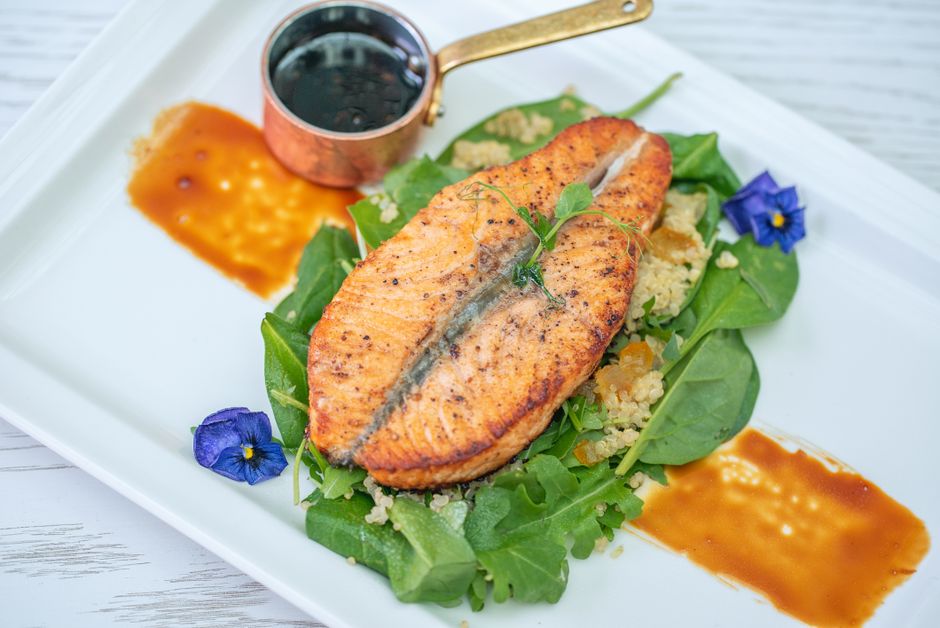
Oily fish. A 40-gram mackerel fillet around 4.1 micrograms; 100 grams of cooked salmon about 4 micrograms; a 120-gram portion of cooked cod around 2.4 micrograms.
Meat. A 75-gram serving of beef provides around 1.6 micrograms, veal slightly more. Pork is lower, around 0.3 micrograms per 75 grams.
Egg and dairy. One egg (50 grams) counts for 0.8 to 1.1 micrograms, mainly in the yolk. A glass of semi-skimmed milk (150 millilitres) around 0.7 micrograms, a bowl of yoghurt 0.6 micrograms, and matured cheese clearly more.
Organ meat. Liver is the outright outlier: a small portion covers your B12 needs for days. That is precisely why liver in moderation is the advice, because of its high vitamin A content — which we wrote about in a separate article.
How much vitamin B12 do you need per day?
The Dutch Health Council sets 2.8 micrograms per day for adults. That is low compared with other vitamins: one egg and a glass of milk already get you a long way. It varies slightly by age — children aged 1 to 3 years 1.0 micrograms, 4 to 6 years 1.1 micrograms, 7 to 10 years 1.6 micrograms, 11 to 14 years 2.2 micrograms, 15 to 17 years 2.6 micrograms. Pregnant women 3.3 micrograms, breastfeeding women 3.8 micrograms.
Your body stores B12 in the liver, and that reserve lasts a long time — in a healthy adult up to a few years. As a result, you notice a deficiency only late: it builds down slowly as the reserve drains. That also makes it hard to recognise.
There is virtually no upper limit. B12 is water-soluble, so any excess leaves your body through the urine. The Nutrition Centre lists no acceptable upper limit; even high doses from supplements cause no toxicity. That does not mean high dosing is useful — only that it does little harm.
Vitamin B12 for vegetarians and vegans
Do you eat lacto-ovo vegetarian, with egg and dairy? Then you usually still get your B12 from food, provided you eat dairy or an egg daily. It is tighter than for meat eaters, but it works.
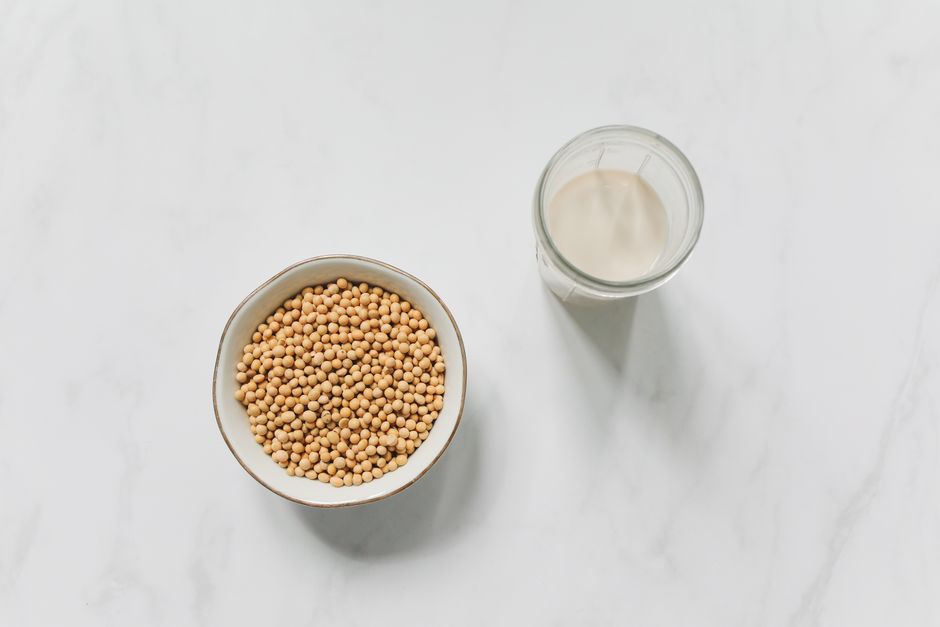
If you eat fully plant-based, it cannot be done through natural food. The advice of the Nutrition Centre is clear: use fortified products spread across the day — some plant-based milks, vegan meat substitutes and breakfast cereals have B12 added — and take a supplement as well. Check the packaging to see whether B12 (cobalamin) has actually been added, because that differs by brand.
Do not rely on algae, spirulina or seaweed as a B12 source. The variant they contain does not work in humans. For vegans, a supplement is not excess but standard — this is the exception to our rule of thumb that good food almost always beats pills.
A day of eating that covers your B12
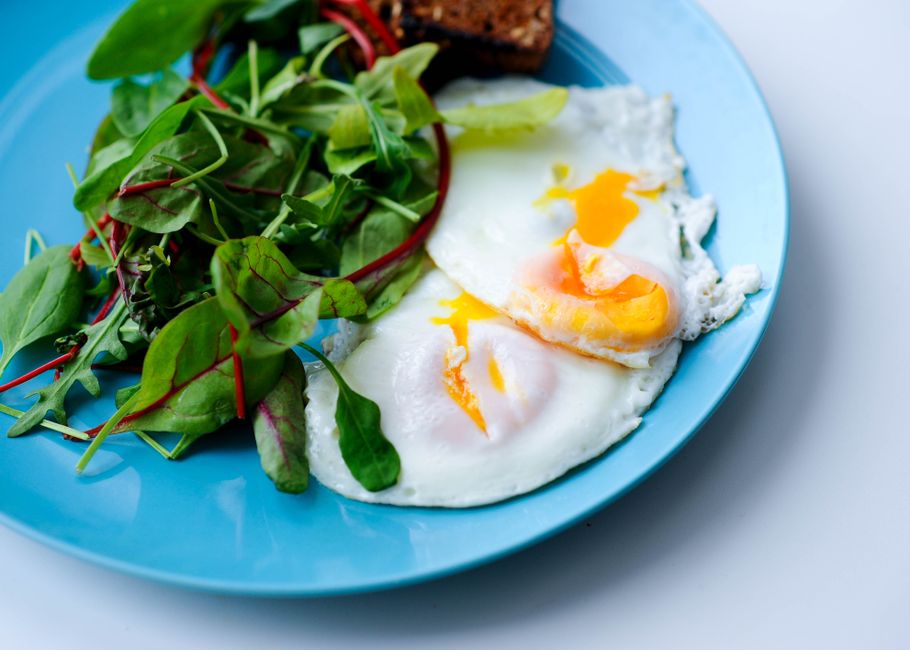
For anyone who eats animal products, the daily requirement of 2.8 micrograms is easy to reach. An example: a bowl of yoghurt at breakfast (0.6 micrograms), a slice of brown bread with matured cheese at lunch (well over 0.5 micrograms), and in the evening a portion of salmon or beef (1.6 to 4 micrograms). That puts you well above the norm, with room to spare.
A boiled egg instead of the yoghurt works just as well. The point is not to count, but to see how little animal food you need: one portion of fish a week plus daily dairy or an egg already takes most people comfortably over.
If you eat fully plant-based, such a day looks different: fortified soy yoghurt, fortified plant-based milk in your coffee and oatmeal, a fortified meat substitute at dinner — and a daily supplement as the backbone under it all.
When food is not enough — and when a supplement is unnecessary
Do you eat dairy, egg, fish or meat daily and feel well? Then you almost certainly do not need a B12 supplement. A pill 'for energy' while you have no deficiency does nothing: B12 gives no extra energy as long as your reserve is intact — the excess you simply excrete. In that case your money is better spent on good food than on supplements.
There are groups for whom food alone is not enough. Vegans, as described above. Older people from around 60, because with age the stomach produces less acid and therefore absorbs B12 less well. People who take metformin, or who have a stomach or intestinal condition that disrupts absorption. For them, even a good diet can fall short.
Fatigue, concentration problems or tingling can point to a deficiency, but just as easily to ten other things. So do not start high dosing on a hunch. Have a suspicion confirmed with a blood test at your GP — that is the only reliable instrument. What B12 actually does in your body, you can read in our article on the functions of B12.
Frequently asked questions
Which food has the most vitamin B12?
Shellfish. A portion of cooked mussels provides by far the most, followed by organ meat such as liver, oily fish (mackerel, salmon), beef, matured cheese, egg and dairy. Plant-based food contains no usable vitamin B12.
Can you get vitamin B12 from plant-based food?
Not reliably. Vegetables, fruit, grains and legumes contain no usable B12. Algae, spirulina and seaweed contain a variant the body cannot use. Vegans depend on fortified products plus a supplement.
How much vitamin B12 do you need per day?
Adults 2.8 micrograms per day, pregnant women 3.3 micrograms and during breastfeeding 3.8 micrograms. Anyone who eats dairy or an egg daily and fish or meat regularly reaches that without difficulty.
Which vegetable contains vitamin B12?
None. B12 is made by bacteria and is found only in animal products. Vegetables, fruit and nuts provide no vitamin B12. Fortified plant-based products such as some meat substitutes and plant milks contain added B12.
Can you get too much vitamin B12?
No. B12 is water-soluble and your body excretes the excess. The Nutrition Centre lists no acceptable upper limit, including from supplements. High dosing is therefore not harmful, but without a deficiency it is also of no use.
How do I know if I get enough vitamin B12?
With a varied diet that includes animal products, you almost certainly get enough. If you are in doubt, or belong to a risk group (vegan, older adult, metformin user), a blood test at your GP confirms it for sure. Do not rely on a feeling alone.