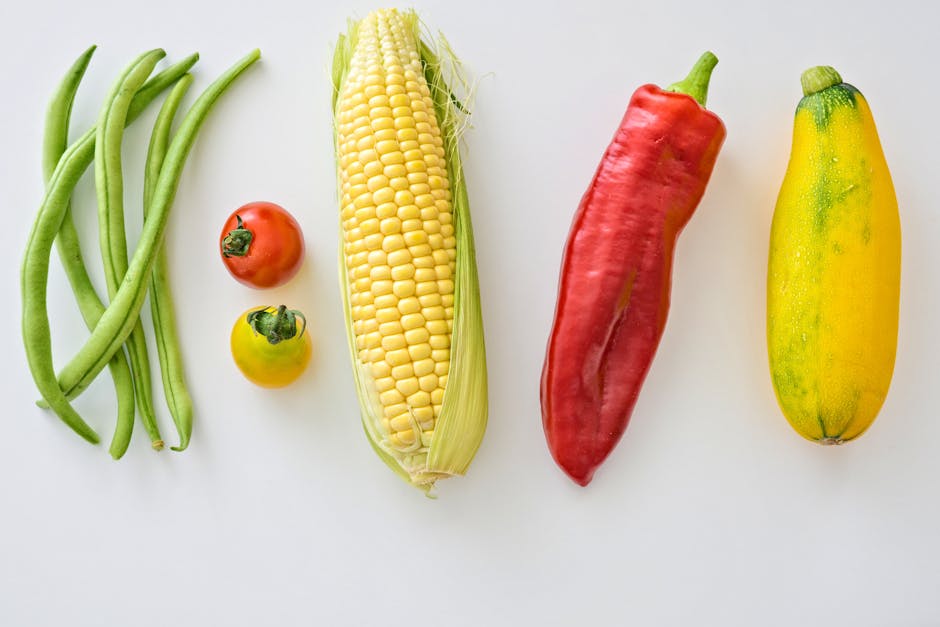
Fibre works on satiety through three mechanisms you do not feel but do notice. One: it takes up volume in your stomach without many calories — especially soluble fibre that absorbs water and forms a gel. Two: it slows the rate at which your stomach empties, so hunger returns later. Three: it is fermented in your colon to short-chain fatty acids that stimulate the release of GLP-1 and PYY — the satiety hormones also activated by weight-loss medication.
In other words: fibre does, in a natural way, part of what a weight-loss injection does medically. Not as strongly, not as quickly, and without side effects. For women the Dutch Health Council guideline is 25 to 30 grams of fibre per day, for men 30 to 40. The Dutch average is 18 to 23 grams according to the food consumption survey — that is where the biggest gain lies for those who want more satiety without counting calories.
The two types of fibre and what they do
Soluble fibre and insoluble fibre usually appear in the same foods, but work differently. Soluble fibre absorbs water and forms a gel in your stomach and intestine. Examples: oatmeal, legumes, apple, pear, orange, seeds, flaxseed, psyllium. These fibres especially produce satiety — the gel formation noticeably extends the full feeling.
Insoluble fibre does not absorb water but adds volume and structure to your stool. Examples: wholegrain bread, brown rice, the skins of vegetables and fruit, nuts. They work mainly on bowel movements and intestinal transit, less on satiety.
In practice you eat both together — an apple contains both pectin (soluble) and cell-wall fibre (insoluble). The rule of thumb: the more a food retains its natural form (wholegrain instead of white, vegetables with skin instead of peeled, legumes with their seed coat), the more fibre of both types it contains.

A day on 30 grams of fibre: what it looks like
Thirty grams sounds like a lot but is achievable without it standing out. A sample day for a woman wanting to eat structurally better.
Breakfast — 60 grams of oats with 200 ml milk, a handful of walnuts, half an apple with skin: about 10 grams of fibre.
Snack — a pear and a handful of almonds: 6 grams.
Lunch — two slices of wholegrain bread with hummus, tomato and cucumber; a bowl of lentil soup alongside: 12 grams of fibre.
Snack — a handful of mixed nuts and a carrot: 4 grams.
Dinner — 200 grams of vegetables (broccoli, pepper, courgette), 80 grams of brown rice, chicken or tofu: 10 grams of fibre.
Total: about 42 grams — above the guideline. That is not difficult; it is sensible choices in places: wholegrain instead of white, fruit with skin, vegetables at every meal, legumes once or twice a week. Without a single supplement or stick.
Why you should not jump from 18 to 30 grams in one week
If you are currently around 18 grams and tomorrow you go to 35, you will almost certainly get stomach complaints. Too much fibre too quickly causes bloating, gas, and sometimes diarrhoea or constipation — depending on where you start from.
The approach that does work: increase gradually over four to six weeks. First the switch to wholegrain bread, then a daily apple, then legumes once a week, then twice. Drink enough water along with it — fibre without fluid does the opposite of what it should.
For some people 30 grams remains difficult: with irritable bowel syndrome, low-FODMAP phase, or in a specific gastrointestinal situation. Then your guideline is your dietician's, not the Nutrition Centre's.
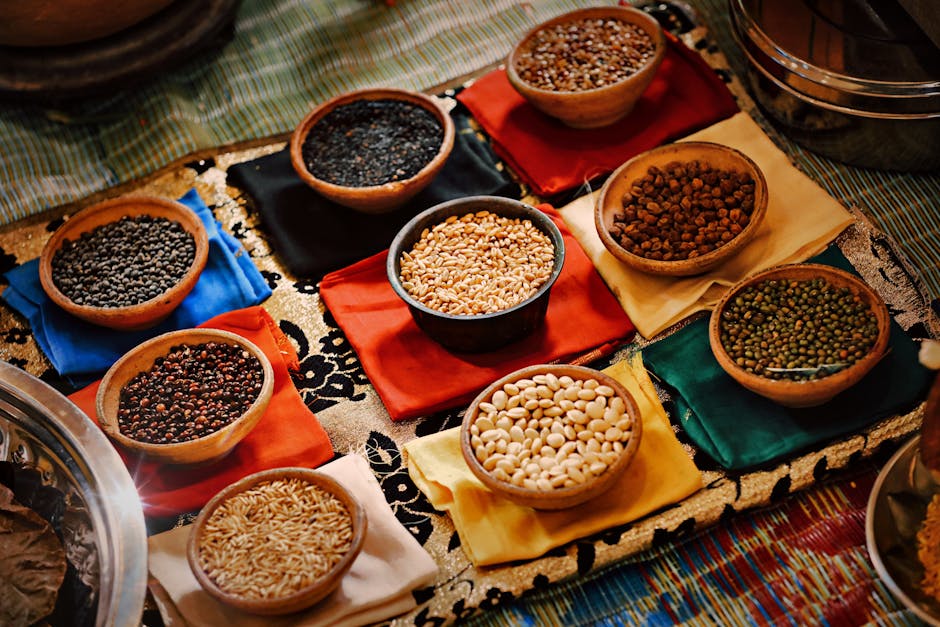
Fibre and the weight-loss injection: there is often overlap
GLP-1 medication (Ozempic, Wegovy, Mounjaro) works in part through increased release of the GLP-1 hormone — the same hormone that soluble fibres stimulate via intestinal fermentation. Not as strongly, not as quickly, and without side effects. For those using the injection, eating more fibre is particularly useful: it can alleviate side effects (such as constipation, a commonly reported issue) and reinforces the same satiety pathway the medication uses.
For those not using the injection, the same mechanism is a natural route to less hunger. No alternative to medication — but a serious support of satiety for those relying on lifestyle alone. For more on this path, read our food-first approach. For those building alongside the injection, read about our coaching after the injection.
When this is not for you
More fibre is a gain for most people. For some, it is not.
With serious bowel diseases such as Crohn's disease in active phase, ulcerative colitis flare-up, or after a recent intestinal operation. Increasing fibre may then actually cause complaints — consult your gastroenterologist or dietician.
With irritable bowel syndrome (IBS). Some soluble fibres (FODMAP-rich) worsen symptoms rather than relieve them. A FODMAP-adapted fibre intake under dietician guidance works better than generically more fibre.
With a sudden sharp increase. It is not the fibre itself that is harmful, it is the speed of increase. Build up gradually and drink water alongside.
For the rest: for most women and men currently around 18-23 grams, growing toward 28-30 is probably the simplest way to feel more satiated without counting calories. Step by step, water alongside, and look where you stand after a month.
Frequently asked questions
How much fibre per day for a woman wanting to lose weight?
At least 25 grams per day per the Dutch Health Council; moving toward 30 grams is better for satiety. Build up from your current intake over a few weeks — not days, otherwise you get bowel complaints.
Which foods contain the most fibre?
Legumes (lentils, chickpeas, beans) deliver 6-8 grams per portion. Wholegrain bread 5-6 grams per two slices. Oats 8 grams per 60 grams. Apple with skin 4 grams. Broccoli, pear, raspberry, walnuts all sit above 3 grams per portion.
Do fibres really work for satiety or is that nonsense?
They work — via three demonstrable mechanisms (stomach volume, slowed gastric emptying, GLP-1 and PYY release). Not as strong as weight-loss medication, but measurable and without side effects.
Do I need fibre supplements to reach my target?
Usually not. With attention to vegetables, fruit with skin, wholegrain and one or two portions of legumes per week, you reach 30 grams from food. A supplement (psyllium, fibre stick) can help on busy days or with low appetite, but is not a replacement.
Can you eat too much fibre?
Above 50 grams per day, bloating and gas can occur, especially when your intake rises quickly. With healthy intestines no upper limit has been set. With specific bowel conditions, your dietician's advice applies.
Does fibre also help during menopause?
Yes. Satiety around menopause is harder due to hormonal changes and muscle loss. Sufficient fibre — especially soluble — eases hunger pressure and supports gut health. Combining with adequate protein and strength training gives the best balance.