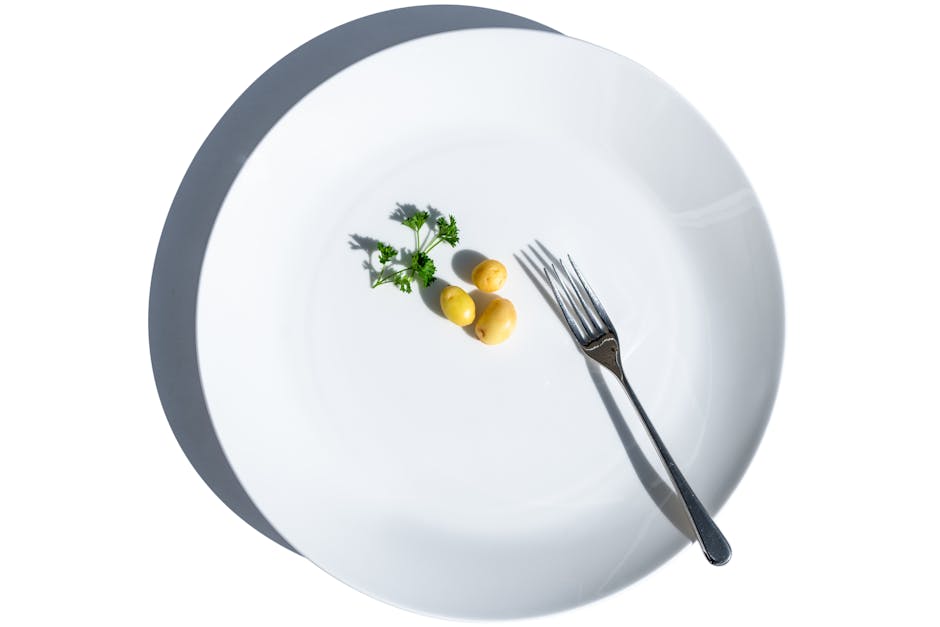
Eating alongside GLP-1 medication (Ozempic, Wegovy, Mounjaro, Saxenda) requires smaller meals with greater density. Your stomach has less room, your appetite is strongly reduced, and the medication suppresses your satiety centre more strongly than a normal meal ever would. The result: without conscious choice you end up under 800 or 1000 kcal per day and miss out on protein, fibre and micronutrients.
What does work here: protein of 1.2 to 1.6 grams per kilo body weight per day, 30 grams of fibre, one and a half to two litres of water, and mild meals that do not make you nauseous. What does not work: high-fat food on an empty stomach, alcohol on injection days, skipping meals because 'you are not hungry anyway'. Our full GLP-1 coaching is on the after-the-injection page — this article is the practical nutrition elaboration.
Important upfront: this is not medical advice. Decisions on starting, dosing or stopping lie between you and your prescribing doctor. What follows is lifestyle support alongside that medical treatment — not in its place.
Why having no appetite and yet eating is a paradox
GLP-1 medication works by mimicking your natural GLP-1 hormone. Effects: delayed gastric emptying, stronger satiety signals in the brain, and dampened hunger cues. For many it feels like the first time in years that the body 'normally' eats without constant hunger prompts. For some it feels as if eating has become a chore.
The problem we keep seeing: without hunger you automatically eat below your need. For a 70-kilo woman maintenance (per the Dutch Nutrition Centre) is about 1900 to 2100 kcal per day at moderate activity. A weight-loss deficit of 500 kcal lands at 1400 to 1600. Many GLP-1 users land below 1000 — that is where it becomes harmful.
Below 1000 kcal you miss 30 to 50 grams of protein daily, your fibre target, and your micronutrient budget. Short term: hardly noticeable. Long term: muscle loss (up to 40 percent of weight loss when nothing is done about lifestyle), fatigue, poor sleep, hair loss and in women cycle disturbances. It is not the medication that causes this — it is the combination of medication without a conscious nutrition strategy.
Protein early in the day
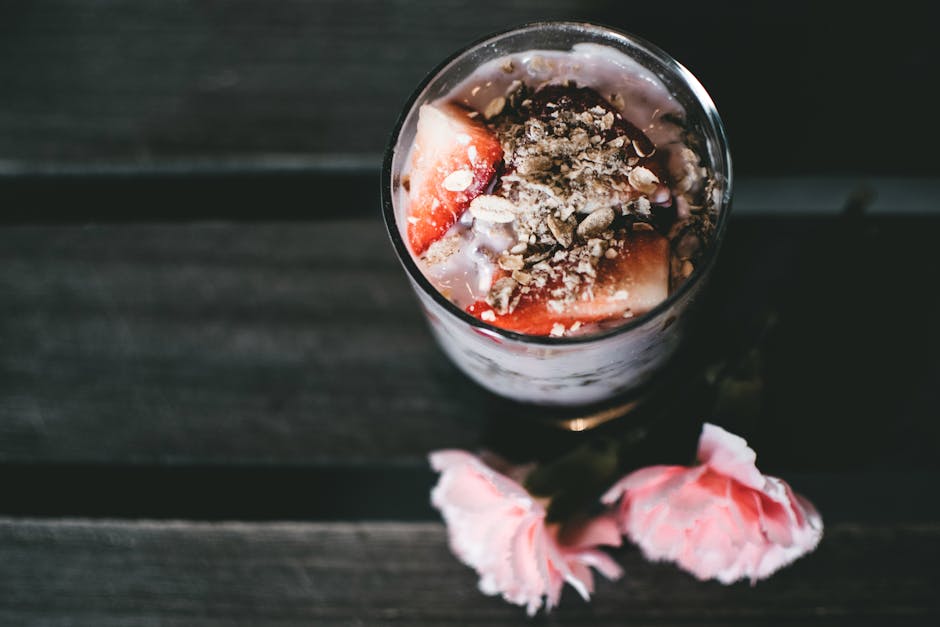
The first rule: eat your protein early, before appetite drops further. On GLP-1 the morning is often the moment of easiest eating — as the day progresses and medication effects build up, it becomes harder. A breakfast of 25 to 30 grams of protein before 10:00 sets your day well.
Practical examples for a breakfast of about 25 grams of protein. Skyr (200 g, 20 g protein) with oats, walnuts and half a banana — total about 24 g protein. Two eggs with a slice of wholegrain bread and a slice of cheese — 22 g. Cottage cheese (150 g, 18 g protein) with fruit and pumpkin seeds — 22 g. Or a protein shake (24 g protein) plus an apple if eating really will not work — this is an exception, not a norm.
For lunch and dinner repeat the same pattern. 20 to 30 grams of protein per meal, four moments per day. For the exact calculation per body weight, read how much protein per day for women who want to lose weight — the same numbers apply with or without the injection.
Fibre against constipation, water against everything
The two most common GLP-1 side effects — constipation and nausea — can largely be managed through nutrition. Fibre resolves the first; water helps with both.
For constipation: 30 grams of fibre per day from vegetables, fruit with skin, wholegrain, legumes and seeds. Read our piece on fibre and satiety for the mechanisms and examples. Build gradually if you are now around 20 — otherwise you get bloating.
For hydration: one and a half to two litres of water, tea or coffee without sugar per day. Spread across the day, not in one go. On GLP-1 your mouth dries faster, your kidneys need more water to clear breakdown products, and good hydration eases both nausea and constipation.
What does not work: cola, juice, soft drinks, alcohol. Those are liquid calories that fill up your satiety budget without adding anything. On a 1200 kcal day you cannot have a glass of wine (180 kcal) plus a syrup latte (220 kcal) — that leaves 800 for real food.
What to avoid: high-fat, too hot, too large
Three meal types consistently worsen GLP-1 side effects.
High-fat foods. Fried foods, fatty sauces, cream, fatty meats. Your stomach empties slowly already — extra fat lengthens digestion further and triggers nausea in many users. Choose lean protein sources: skinless chicken, white fish, low-fat dairy, legumes, tofu. Olive oil and avocado are fine in moderation — not to be avoided, but to be limited on injection days.
Portion too large. A dinner that looks large on a normal plate feels too big after injection. Eat slower and stop at 70 percent full — not 100. Better two smaller meals than one large that will not move along.
Alcohol on injection day. On injection day and the day after, alcohol is often poorly tolerated. Stomach cramps, nausea, sometimes vomiting. Save it for a quiet evening in week two or three of a dosing cycle, not on peak days.
What does sit well: mild, not-too-hot meals. Yogurt with grains, soup with vegetables and chicken, omelette with vegetables, white fish with potato and steamed vegetables. No revolution, but digestible.
Preparing for stopping: nutrition becomes more urgent, not less
When your medication falls away — through dose taper, stopping, or pause — your appetite returns within one to three weeks. Those who built no lifestyle base during the injection experience this as sudden greed. Those who built a base feel it as the return of normal hunger.
The rebound figures from the medical literature are clear: 60 to 80 percent of weight lost returns within a year for those who have added no lifestyle approach. For those who have built protein, fibre, strength training and rhythm, that percentage is substantially lower — the exact figures vary between studies, but the trend is consistent.
What that means for your planning. During the medication period, already build habits you will keep after the medication. Protein, fibre and water are three. Strength training and walking are two more. Not all perfectly at once — but slowly building during the weeks and months that the medication does the heavy lifting. Our coaching after the injection focuses precisely on this.
When this is not for you
Three situations where you should not follow this article but directly call your doctor.
Persistent nausea or vomiting. Two days of discomfort after injection is normal. Persistent vomiting, inability to drink, weight loss of more than half a kilo per week: call your prescribing doctor or GP. This is not a nutrition question, this is a medical check.
Signs of gallstones or pancreatitis — severe abdominal pain, especially upper right or middle, with or without fever and vomiting. Stop eating, call the GP out-of-hours service. GLP-1 medication increases gallstone risk through rapid weight loss.
Eating disorder symptoms — secret eating, binge eating, compulsive weighing, intense fear of weight gain. Then GLP-1 use plus everything in this article is the wrong combination. Speak with your doctor and a specialised mental health professional.
For the rest: with normal GLP-1 use under prescribing-doctor supervision, the approach in this article is useful. Not replacing medical advice, but a lifestyle building block supporting the medication's effect and preparing you for the moment medication falls away.
Frequently asked questions
May I still eat carbohydrates on Ozempic?
Yes. There is no reason to avoid carbohydrates on GLP-1 medication — there is reason to choose wholegrain and legumes over white versions. Those provide longer satiety and more stable blood sugar without working against the medication.
How many calories do I need alongside the injection?
For most women between 1400 and 1700 kcal per day during active weight loss; for men 1700 to 2100. Below 1000 kcal is too low and causes muscle loss plus deficiencies. A dietician or nutrition coach can calculate your exact maintenance.
May I drink alcohol during GLP-1 medication?
In moderation, and not on your injection day. On peak days many users tolerate alcohol poorly. Save it for a quiet evening further from the injection. And always count that alcohol delivers calories without satiety — you are already tight on that.
Which supplements are useful with GLP-1 medication?
If you structurally eat below 1500 kcal, a multivitamin as a safety net makes sense. A fibre stick if you do not reach your 30 grams from food. A protein shake if your protein target does not work with real food. All three are supplements, not replacements.
What do I do if I get nauseous after eating?
Smaller portions, slower eating, no overly hot food, and no high-fat meal on injection day. If the nausea does not subside within two days of injection or worsens: call your doctor. Dose adjustments may be needed.
Does this approach work with Wegovy and Mounjaro?
Yes. Wegovy (semaglutide), Mounjaro (tirzepatide), Saxenda (liraglutide) and Ozempic (also semaglutide, for diabetes) work via similar mechanisms. The nutrition elaboration is the same; only the dosing and side effects differ between agents.