
Weight regain after dieting is the rule rather than the exception. Most attempts to lose weight through a temporary diet do not hold up in the long term — not because people fail, but because a diet with an end date was never meant to last. Once the diet stops, the old habits return, and the weight follows.
The good news: regain is neither coincidence nor bad luck. It has a few concrete causes, and those can be addressed. In this article you will read why you gain weight again after a diet, what that has to do with your muscle mass and metabolism, and which habits guard your weight over the long term. Including when you lost weight with the weight-loss injection.
Why you gain weight again after a diet
On a strict or rapid diet you never lose fat alone. Part of what comes off is muscle mass, and muscles burn energy — even at rest. The less muscle you retain, the lower your metabolism, and the more easily you regain weight as soon as you eat normally again.
At the same time, a large deficit puts your body into conservation mode. It notices that little is coming in and starts using energy more sparingly. That is useful in a famine, but awkward after a diet: you burn less than someone of the same weight who never dieted strictly.
And then there is the mechanism most often overlooked: a diet is temporary, your habits are not. If you slip back into how you ate before the diet, the weight comes back with it. Not because the diet did not work, but because it was never a lifestyle.
Regain after the weight-loss injection: why the weight returns
The weight-loss injection (GLP-1 medication such as Ozempic, Wegovy or Mounjaro) suppresses your hunger, so you eat less and lose weight. As long as you use the injection, that works. But the injection changes your appetite, not your habits. Stop using it and the hunger returns — and in many people part of the weight comes back afterwards.
That makes the period on the injection precisely the moment to lay the foundation that does last: enough protein, movement and an eating rhythm you can sustain without medication too. The injection can give you a head start; your habits decide whether that head start holds.
Whether you start, continue or stop the weight-loss injection is a decision you make together with your doctor, never on the basis of a blog. What follows is about nutrition and lifestyle alongside your treatment, not instead of it.
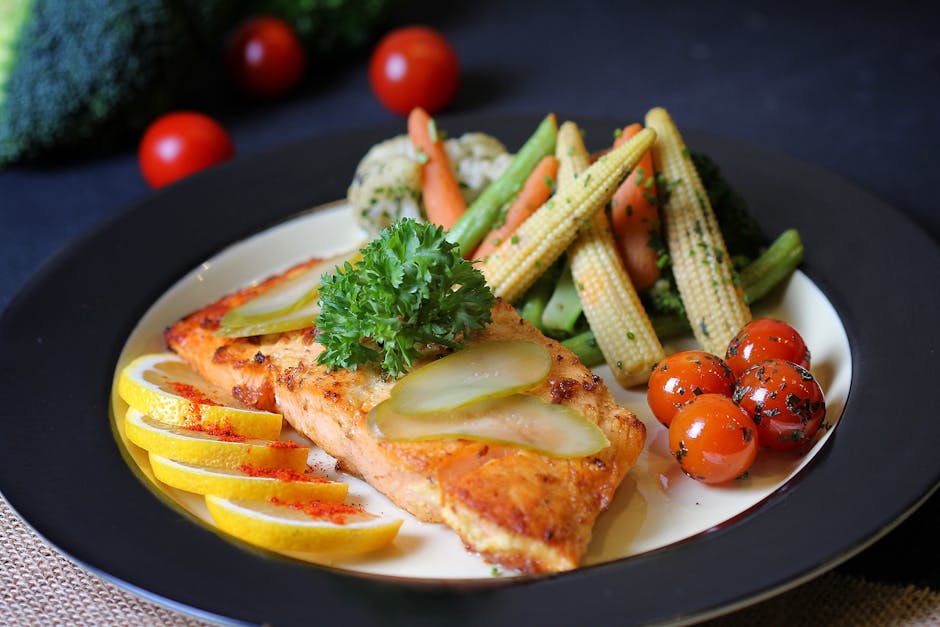
Protein and muscle mass: your most important protection
Protein is the nutrient that counts most if you want to prevent regain. Proteins contribute to the maintenance of muscle mass, and it is that muscle mass that keeps your metabolism up. Protein also keeps you feeling full for longer, so you are less likely to reach for snacks.
During and after weight loss, the Netherlands Nutrition Centre advises 1.2 to 1.6 grams of protein per kilo of body weight per day. For someone of 70 kilos that is roughly 84 to 112 grams, best spread across the day: 20 to 30 grams per eating moment works better for muscle retention than one large piece of meat in the evening.
Good sources that go down even with little appetite: quark and Skyr (more protein than ordinary yoghurt), eggs, chicken, fish, tofu and pulses. Start at breakfast, because that is usually where it goes wrong — a slice of bread with jam delivers almost no protein.

Keep moving, even once the kilos are off
Movement is not mainly a way to burn calories — for that the effect is smaller than most people think. The real value lies in muscle retention and in rhythm. Strength training, whether with weights or with your own body weight, protects the muscle mass that keeps your metabolism high.
On top of that, everyday movement adds up. The stairs instead of the lift, a walk after dinner, cycling to the shop — these are small things that together do more than one heavy workout a week that you then skip for a few days. The goal is something you keep up, not something that impresses.
Walking is underrated here. Half an hour a day is achievable for most people, requires no subscription and is easy to sustain — exactly what you want in a habit that has to last for years.
Habits that prevent regain
Alongside protein and movement, there are a few small habits that make the difference between lasting results and slowly sliding back.
Weigh yourself regularly. Not to hold yourself to account, but to intervene early. If you gain a kilo, that is easier to reverse than five kilos six months later. One fixed moment a week is enough.
Plan for difficult moments. Holidays, parties and busy weeks are the classic moments of regain. Not because of what you eat on one evening, but because the structure falls away. Decide in advance how you will pick up your rhythm again after such a moment.
Sleep enough and drink water. Too little sleep disrupts your hunger hormones, so you are hungrier the next day. And thirst is often mistaken for hunger — a glass of water with every eating moment helps more than you think.
A structured start with Forever F.I.T.
Sometimes a clear beginning helps. The Forever F.I.T. programme is meant for that: C9 helps you make a flying start in nine days toward a fitter version of yourself, with nutrition schedules, a movement plan and tips for a healthy lifestyle. F15 is the fifteen-day follow-up that builds those habits further, and DX4 is a shorter four-day programme.
To be honest: such a programme is a kick-start, not a miracle cure. It changes nothing lasting if you then slip back into your old pattern — it is meant precisely to make the habits in this article easier. The products from the F.I.T. and Vital5 range, such as Forever Therm, are a supplement to a varied diet and movement, never a replacement.
A food supplement is not a substitute for a varied, balanced diet and a healthy lifestyle. Are you on medication or under medical treatment? Consult your doctor first before starting an exercise programme or food supplement. Forever F.I.T. (C9, F15, Vital5) is not suitable during pregnancy, when trying to conceive, or while breastfeeding.
When this is not for you
Not everyone needs a programme or a list of habits. Do you feel good about how you eat and move, and is your weight stable? Then do not change anything just to change something. The best approach is the one you already sustain.
And self-help has its limits. With a BMI above 30, with signs of a disturbed relationship with food, or with a chronic condition such as diabetes or heart disease, professional guidance belongs in the picture. Your GP can refer you to a dietitian or a Combined Lifestyle Intervention, often partly reimbursed through basic health insurance.
An appointment with the GP takes fifteen minutes. That is a better investment than yet another diet that comes back after a few months.
Frequently asked questions
Why do I gain weight again after a diet?
On a strict diet you lose muscle mass alongside fat, and less muscle means a lower metabolism. At the same time your body switches into conservation mode. If you then slip back into your old habits, the weight returns. It is rarely about willpower and usually about a diet that was temporary.
How do I prevent the yo-yo effect?
By not following a temporary diet but adjusting your lifestyle mildly and lastingly. Eat enough protein to protect your muscle mass, keep moving daily, sleep enough and weigh yourself regularly so you can intervene early when a kilo appears.
How much protein do I need to maintain muscle mass?
During and after weight loss, the Netherlands Nutrition Centre advises 1.2 to 1.6 grams of protein per kilo of body weight per day. For someone of 70 kilos that is roughly 84 to 112 grams, best spread across the day in portions of 20 to 30 grams.
Will I gain weight if I stop the weight-loss injection?
The injection suppresses your appetite but does not change your habits. If you stop, the hunger returns and in many people part of the weight comes back. The period on the injection is therefore the moment to build protein, movement and a sustainable eating rhythm. Whether you start or stop, discuss it with your doctor.
How often should I weigh myself?
One fixed moment a week is enough for most people. The goal is not to hold yourself to account, but to intervene early: a kilo gained is easier to reverse than five kilos six months later.
When should I see a dietitian or GP?
With a BMI above 30, with signs of a disturbed relationship with food, or with a chronic condition such as diabetes or heart disease. Your GP can refer you to a dietitian or a Combined Lifestyle Intervention, often partly reimbursed through basic health insurance.