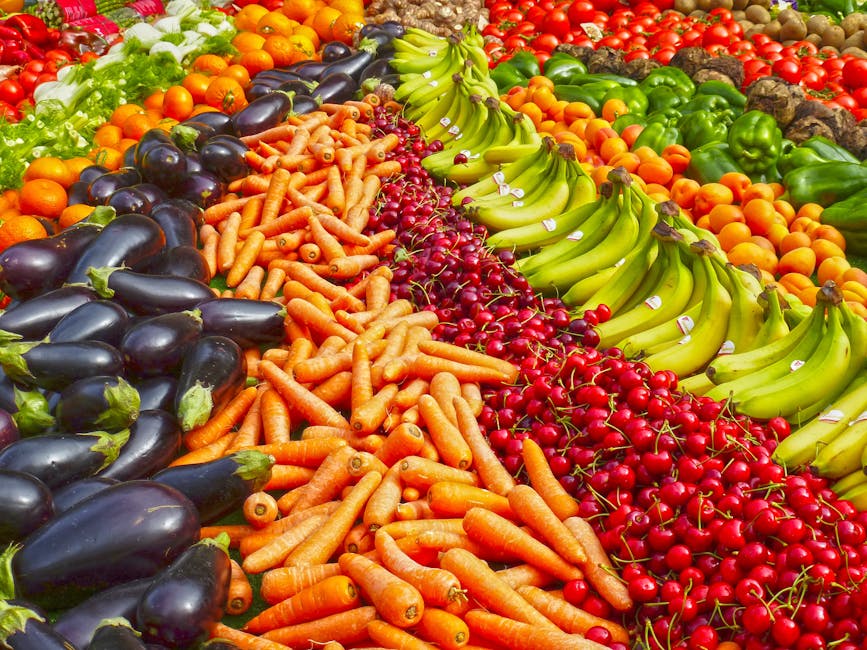
A vitamin is a substance your body needs but produces little or none of itself. So you have to get them from your food. There are thirteen: four fat-soluble (A, D, E and K) and nine water-soluble (the eight B vitamins and vitamin C). That distinction determines how your body handles them — and whether an excess can do harm.
The short version: if you eat a varied diet, with vegetables, fruit and wholegrain products every day and dairy, meat or fish regularly, you get virtually all the vitamins you need. The Netherlands Nutrition Centre recommends a supplement only for a handful of situations — vitamin D for certain groups, B12 for those who eat vegan, folic acid around a pregnancy. The rest comes from your plate. Below we go through the vitamins, with the sources and the daily figures, and at the end we point out when a supplement is actually wasted money.

Fat-soluble vitamins: A, D, E and K
Fat-soluble vitamins dissolve in fat and are stored in your body — mainly in your liver and fatty tissue. As a result, you do not have to take in an exact amount every day; enough on average across a week is sufficient. They are logically found in fattier food: oily fish, eggs, dairy, margarine, nuts and plant oils.
Vitamin A is present as retinol in liver, oily fish, egg yolk, butter and full-fat dairy, and as beta-carotene in orange and green vegetables such as carrot, sweet potato and spinach. Vitamin D comes from oily fish, meat, eggs and the vitamin D added to margarine and cooking fats — plus from sunlight on your skin. Vitamin E is in plant oils, margarine, nuts and seeds. Vitamin K is mainly in green leafy vegetables such as kale, spinach and broccoli, and also in dairy.
Because you store fat-soluble vitamins, an excess can accumulate. With vitamins A and D you can take in too much through high-dose supplements; through food this almost never happens. That is precisely why you should not simply take a high dose of A or D without a reason.
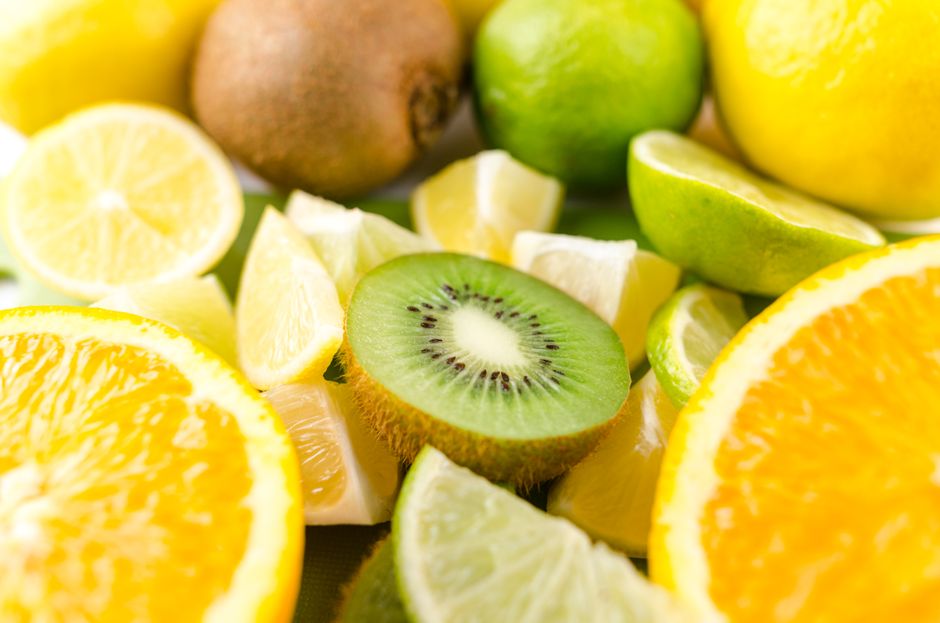
Water-soluble vitamins: the B vitamins and vitamin C
Your body barely stores water-soluble vitamins. Whatever you take in excess, you largely excrete again. As a result you have to replenish them regularly — but an overdose through food is virtually impossible. These are vitamin C and the eight B vitamins: B1, B2, B3, B5, B6, B8, B11 (folic acid) and B12.
Vitamin C is in vegetables and fruit: bell pepper, broccoli, Brussels sprouts, citrus fruit, kiwi, strawberries and potatoes. The B vitamins are spread across many products. B1, B3 and B6 in meat, fish, wholegrain products and potatoes; B2 mainly in dairy; B11 (folic acid) in green vegetables, wholegrain products and pulses.
Vitamin B12 is the exception. It occurs almost exclusively in animal products — meat, fish, eggs and dairy — and your liver does store it for years. If you eat vegan, a supplement or fortified product is necessary; you get no B12 from a purely plant-based diet. Which products provide the most B12 is covered in our separate article on the subject.
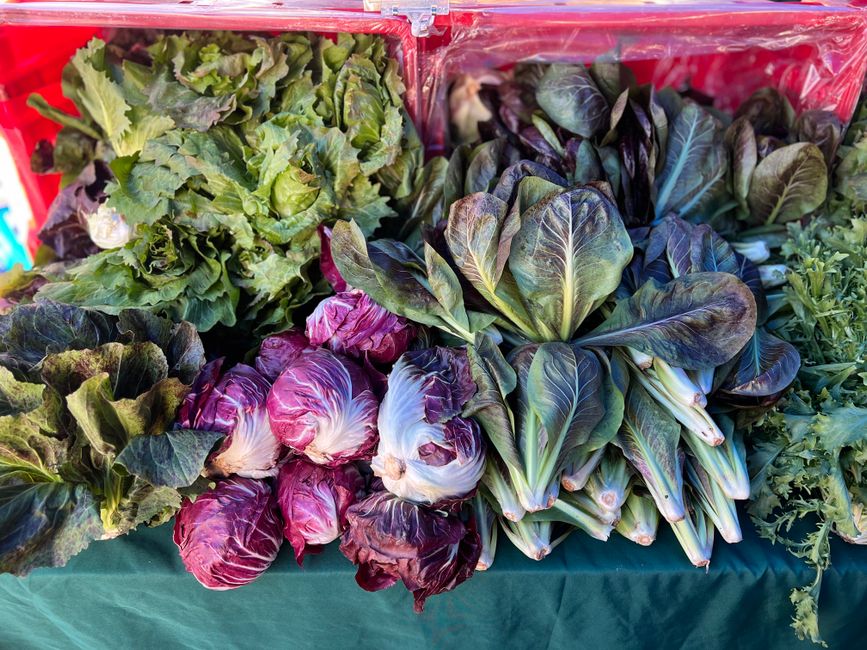
Which food provides which vitamin?
The easiest way to get all your vitamins is not to memorise which vitamin is in which product, but to vary within the Wheel of Five. Each section provides different vitamins, so it is precisely the variety that covers the whole list.
Vegetables and fruit provide vitamin C, folic acid, vitamin K and beta-carotene (vitamin A). Bread and grain products (wholegrain) provide B vitamins. Dairy provides B2, B12 and vitamin A. Meat, fish, eggs and meat substitutes provide B1, B6, B12 and — in the case of oily fish — vitamin D. Spreads and cooking fats provide vitamins A, D and E. Anyone who eats something from each section has the thirteen vitamins covered almost automatically.
No single superfood covers the whole list — not even the most expensive berry. Variety beats any wonder pill.

How much of each vitamin do you need per day?
The recommended daily amount differs per vitamin. A few reference figures from the Dutch Health Council and the Nutrition Centre for adults: vitamin C 75 milligrams, vitamin A 800 micrograms for men and 680 micrograms for women, vitamin D 10 micrograms (and 20 micrograms from age 70), vitamin E 13 milligrams for men and 11 milligrams for women, vitamin K 70 micrograms, folic acid 300 micrograms and vitamin B12 2.8 micrograms.
Those amounts sound precise, but you reach them faster than you think. Two pieces of fruit and 250 grams of vegetables a day — the basic recommendation of the Nutrition Centre — already cover your vitamin C and a good part of your folic acid and vitamin A. A slice of wholegrain bread, a portion of dairy and some meat, fish or pulses top up the B vitamins. You do not have to count; you have to vary.
When food alone is not enough
For most people, food is enough. The Nutrition Centre recommends a supplement only for a few specific situations, and then in a targeted way — not a multivitamin just to be safe.
Vitamin D. You produce it mainly through sunlight, and in the Dutch winter that is too little. A supplement is advised for children up to age 4, people with darker skin, those who get little time outdoors, pregnant women, and everyone from age 70. Vitamin B12. Anyone who eats vegan takes in no B12 and needs a supplement or fortified product. Folic acid. Women who want to become pregnant and during the first ten weeks of pregnancy are advised 400 micrograms of folic acid per day, on top of food.
If you do not belong to one of these groups, a supplement rarely adds anything. If you are unsure whether something applies to you — for example with a particular diet, a bowel condition or medication that affects absorption — consult your GP or a dietitian rather than start stacking supplements yourself.

When you are better off not taking a vitamin supplement
Supplements are big business, and the marketing promises more than the vitamin delivers. Three situations in which your money is better spent on groceries:
If you already eat a varied diet. A healthy adult who eats according to the Wheel of Five does not need a multivitamin. The surplus of water-soluble vitamins you excrete; you mainly produce expensive urine.
If you want to take a high dose of a fat-soluble vitamin without reason. With vitamins A and D, an excess through supplements can be harmful — unlike vitamin C, where an excess simply disappears. High doses of vitamin A are advised against especially during pregnancy.
If you take a supplement 'for immunity' while you are not short of anything. Topping up a deficiency helps; on top of a normal intake, extra does not lift your immunity to a higher level. Food first, a supplement only where there is a genuine gap.
Frequently asked questions
Which food contains the most vitamins?
Vegetables and fruit contain the widest variety of vitamins: vitamin C, folic acid, vitamin K and beta-carotene. But no single food group covers everything. Wholegrain products provide B vitamins, dairy provides B2 and B12, and oily fish provides vitamin D. The combination via the Wheel of Five covers the whole list.
Which vitamins can you not get enough of from food?
Two. Vitamin D you produce mainly through sunlight, and in the Dutch winter that is too little; certain groups are advised a supplement. Vitamin B12 is only in animal products, so anyone who eats vegan needs a supplement or fortified product. The other vitamins you get from your food with a varied diet.
Do you need a multivitamin if you eat healthily?
No. A healthy adult who eats a varied diet according to the Wheel of Five gets virtually all vitamins. The Nutrition Centre recommends only targeted supplements for specific groups (vitamin D, B12 for those eating vegan, folic acid around a pregnancy), not a multivitamin just to be safe.
What is the difference between fat-soluble and water-soluble vitamins?
Fat-soluble vitamins (A, D, E and K) are stored by your body in the liver and fatty tissue, so an excess can accumulate. Water-soluble vitamins (C and the B vitamins, except B12) you largely excrete, so you have to replenish them regularly and can barely overdose on them through food.
How much vegetable and fruit per day for enough vitamins?
The Nutrition Centre recommends at least 250 grams of vegetables and 2 pieces of fruit per day. That covers your vitamin C and a large part of your folic acid and vitamin A. Topped up with wholegrain products, dairy and meat, fish or pulses, you are well covered for virtually all vitamins.